The concept of ‘immunonutrition’ refers to the ability of certain nutrients to modulate the immune status if they are provided in sufficient amounts, in general, far more often in excess of the usual nutritional requirements(Reference Moreira, Kekkonen and Delgado17, Reference Grimble103). Lacking adequate nutrition, the immune system is undoubtedly deprived of the components needed to generate an effective immune response(Reference Marcos, Nova and Montero104). These results are promising but not the last word, since researchers are also studying the effects of metrics such as age, gender, and the effect of daily exercise routines. However, the most probable answer is that moderate intensity exercise is beneficial for vaccine response.
Exercise combats health conditions and diseases
Mitochondria play a key role in exercise adaptation by helping cells meet the greater energy demand of exercise. For instance, combined exposure to fine particulate matter (PM2.5), ozone (O3), and nitrogen dioxide (NO2) during endurance exercise has been shown to significantly enhance both airway and systemic inflammation, elevate circulating neutrophil levels, and impair mucosal immune protection (197, 198). Likewise, exercising in high-heat environments (≥35 °C) can amplify the acute release of IL–6 and TNF–α, while delaying immunoregulatory cytokine responses such as IL–10 (199).
They are linked to low recombination and somatic hypermutation of immunoglobulin genes, resulting in decreased antibody production and decreased vaccination or infection. These mechanisms are responsible for changes that occur with age in both innate and adaptive immunity. They may be responsible for autoimmune disorders, cancer, and an inadequate response to vaccination (Blomberg and Frasca, 2013). The primary function of SIgA is to protect the mucosal surface against invasion by pathogens [75].
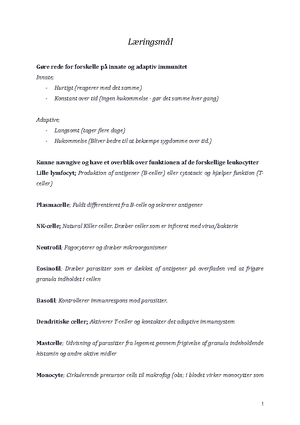
Acquired immunity, also called adaptive or specific immunity, is protection your body gains (acquires) over time from exposure to germs. Certain white blood cells called lymphocytes remember specific invaders and can tell when they don’t belong in your body. So, if those invaders try to get in again, the lymphocytes can quickly spring into action and work with other cells to eliminate the threat. The white blood cells involved in innate immunity don’t learn to recognize certain invaders. They also have no memory of attacking best beginner workout apps invaders and don’t offer protection against specific germs (or the infections they cause) in the future.
SARS-COV-2 virology and the role of the immune system in COVID-19 infection
Exercise not only helps maintain a healthy weight but also enhances circulation, reduces inflammation, and promotes the efficient function of immune cells. Regarding macrophage polarization, long-term HIIT reduces M1 markers (CD86) while increasing M2 markers (CD206), which helps mitigate liver inflammation (110). Although moderate-intensity exercise has been widely studied for its acute immunological effects, it is important to note that not all individuals can safely or consistently perform at this level. For such populations, low-intensity physical activity may offer an accessible and physiologically beneficial alternative. These findings highlight the key role of moderate-intensity exercise in improving macrophage distribution, function, and phenotype, thus enhancing immune defense and reducing chronic inflammation. Walk into a store, and you will find bottles of pills and herbal preparations that claim to “support immunity” or otherwise boost the health of your immune system.
4 Data Extraction
Without proper energy and nutrition, it’s nearly impossible for your immune system to protect your body against infection, illness, viruses, and bacteria. Your immune system needs access to essential macronutrients, vitamins, and minerals to build immune cells and produce protective enzymes. If you are a cancer survivor, getting regular physical activity helps give you a better quality of life and improves your physical fitness. Getting at least 150 minutes a week of moderate physical activity can put you at a lower risk for these diseases.
Exercise Reduces Stress Hormones
For example, 6 weeks of regular training reduced the IL-6/IL-10 ratio in patients with CKD (29). One year of moderate-intensity combined with resistance training (MICT+RT) significantly lowered plasma IL-6 in type 2 diabetes patients (81). Animal studies similarly show that moderate exercise lowers IL-6 in septic and diabetic rats, mitigating inflammation and improving survival (82, 83). Moderate-intensity exercise can alter T-cell subset distribution and enhance specific T-cell subset functions. Acute moderate exercise significantly increases CD8+ T-cell counts in lymphoma patients, with levels returning to baseline within 30 minutes post-exercise (57). Regular moderate-intensity training prevents declines in CD4+ T-cell counts observed after strenuous exercise (58) and enhances CD4+ T-cell proliferation and cytokine production following vaccination, improving vaccine efficacy (59).
3.1 Observational Studies
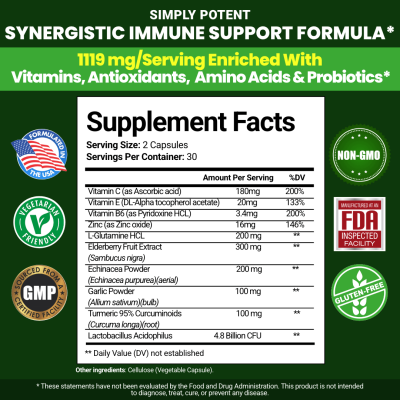
However, improvements in health quality, immunization, and healthy and nutritious diets have increased the average lifespans of most developed-country citizens (Quilici et al., 2015). Immunosenescence is a complex process that affects the immune system as a whole and impairs the ability to respond adequately to invading pathogens. Supporting this, it has been observed that pregnant women with both fruits and vegetables in their diet showed a moderate reduction in upper respiratory tract infection (URTI) during pregnancy compared to women without or with fruit or vegetables food consumption (Li and Werler, 2010). It would seem that a potentially beneficial strategy is to eat more fruits and vegetables as part of a healthy and balanced diet. Experimentally, a good supplement of MVM containing a high amount of many redox-active and immunomodulatory micronutrients such as Redoxon® Vita Immune (VI) MVM supplements has been studied.
Global physical activity for health
This strategy would allow for a more personalized approach to treatment, which could help to improve the efficacy and acceptability of currently available therapies. Among the beneficial effects of physical activity, lowering of CD14+ and CD16+ monocytes can also be counted, representing vital proinflammatory cells involved in the onset of immune diseases, such as rheumatoid arthritis and cardiovascular disorders (Ma et al., 2019; Mannucci et al., 2021). The role of exercise in regulating the expression of TLR (full form) was examined in individuals who underwent intense physical activity. TLRs are highly expressed on the cell surface of immune cells such as monocytes and macrophages.
Peer Review File (download PDF )
Thus seasonal availability of direct sunlight, for example, lack of solar light in winter, affects vitamin D synthesis, especially in temperate countries. NK cells are leucocytes designed to destroy tumor or virus-infected cells by releasing lytic proteins such as granzymes and perforin. Older people have higher NK cells, as evidenced by more elevated specific markers, particularly CD56, compared to the young (Paul and Lal, 2017). Whether you enjoy walking, yoga, or weightlifting, consistent movement helps your body respond better to illness. This season, make exercise a regular part of your health routine to support a resilient immune system.
Low global physical activity despite two decades of policy progress
- The immunomodulatory effects of exercise depend on exercise intensity and the total exercise workload (8).
- Despite its diverse benefits, the medical and public health fields continue to view physical activity as mostly relevant for obesity and cardiometabolic disease.
- For example, during a bout of exercise, natural killer cells move into the bloodstream in vast numbers.
- Autoimmune diseases or other conditions can disrupt your body’s ability to defend itself against intruders or repair damage.
- Ethical approval was not sought for this study as no human subjects or animal data were collected or employed, given that this was a review of published peer-reviewed literature.
- Other contributors include elevated oxidative stress, lipid and glucose tolerance disorders, MS and venous stasis.
Meditation, stretching and relaxation are allies in combating a sedentary lifestyle. It is important to avoid long rest periods, which should be intercalated with active practices [69]. Supplements such as HMB, creatine, collagen and probiotics may or may not be helpful; responses vary from athlete to athlete. The new findings come amid intensifying efforts to understand the molecular underpinnings of exercises. Untangling the immune system’s involvement in this process is but one aspect of these research efforts. If you want to lose weight, keep off lost weight or meet specific fitness goals, you may need to exercise more.
How to Boost Your Immune System with Exercise
“Because they train regularly, their bodies are accustomed to dealing with inflammatory episodes, which requires more intense stimuli to generate significant long-term inflammatory responses. It’s this type of ‘training’ that, over time, adapts the immune system, making it stronger,” she explains. The muscle cells of the mice that ran on treadmills, whether once or regularly, showed classic signs of inflammation — greater activity in genes that regulate various metabolic processes and higher levels of chemicals that promote inflammation, including interferon. “The immune system, and the T cell arm in particular, has a broad impact on tissue health that goes beyond protection against pathogens and controlling cancer. Our study demonstrates that the immune system exerts powerful effects inside the muscle during exercise,” said study senior investigator Diane Mathis, professor of immunology in the Blavatnik Institute at HMS. A healthy diet rich in omega-3 fatty acids, vitamins, and minerals can help reduce symptoms of anxiety and depression.
Thus, as mentioned earlier, the results reflect and produce evidence favoring bovine colostrum beneficial effects by boosting immunity and rendering resistance to infection to normal healthy subjects or athletes doing intensive exercise. Long-term carbohydrate supplementation during strenuous exercise has been shown to reduce exercise-induced circulating cytokines and support the redistribution of immune cells such as neutrophils, monocytes, NK cells, and lymphocytes (Nieman and Wentz, 2019). The immune-modulatory role of carbohydrates is more effective when there are optimal blood glucose concentrations and reduce stress hormones such as catecholamines and glucocorticoid secretion during and after exercise (Nieman and Pence, 2020).

